Nutrition and Hydration for Surfers

Neptune
April 4, 2026

Why Nutrition Matters More Than You Think
Swell and boards get the attention. Breakfast usually does not.
Surfing asks for power, endurance, and focus for two to four hours. Fuel is part of that.
The good news is that you don't need a degree in sports science or an elaborate meal-prep routine to get this right. A few simple principles, applied consistently, can give you noticeably more energy, faster recovery, and better focus in the water.
This guide covers everything you need to know — from what to eat before a dawn patrol session to how to recover after a long day of waves.
The Unique Demands of Surfing on Your Body
Before diving into specific foods, it helps to understand why surfing is so nutritionally demanding compared to other sports.
Sustained Aerobic Output
Paddling accounts for roughly 50-60% of your time in the water. It's low-intensity but continuous — similar to swimming at a moderate pace. This sustained effort primarily burns carbohydrates and fat, and it depletes glycogen stores over time.
Explosive Anaerobic Bursts
Popping up, duck diving, sprint-paddling into a wave, and executing turns all require short, powerful bursts of energy. These movements rely on fast-twitch muscle fibers and burn through readily available glucose and creatine phosphate.
Cold Water Thermoregulation
Your body burns significant extra calories just maintaining its core temperature in cold water. Even in a good wetsuit, a two-hour winter session in 55-degree water can increase your caloric expenditure by 20-30% compared to the same activity on land.
Salt and Mineral Loss
Between sweating inside your wetsuit and occasional saltwater ingestion, surfing creates a unique electrolyte environment. You lose sodium, potassium, and magnesium — all critical for muscle function and preventing cramps.
Extended Duration
Unlike a 45-minute gym session, surf sessions commonly last two to four hours. That's a long time to maintain energy, focus, and hydration without access to food or (fresh) water.
Pre-Surf Nutrition: Setting Up for Success
What you eat before a session is arguably the most important meal decision you'll make as a surfer. Get it right and you'll have steady energy from first wave to last. Get it wrong and you'll either be too full to paddle comfortably or too depleted to finish the session.
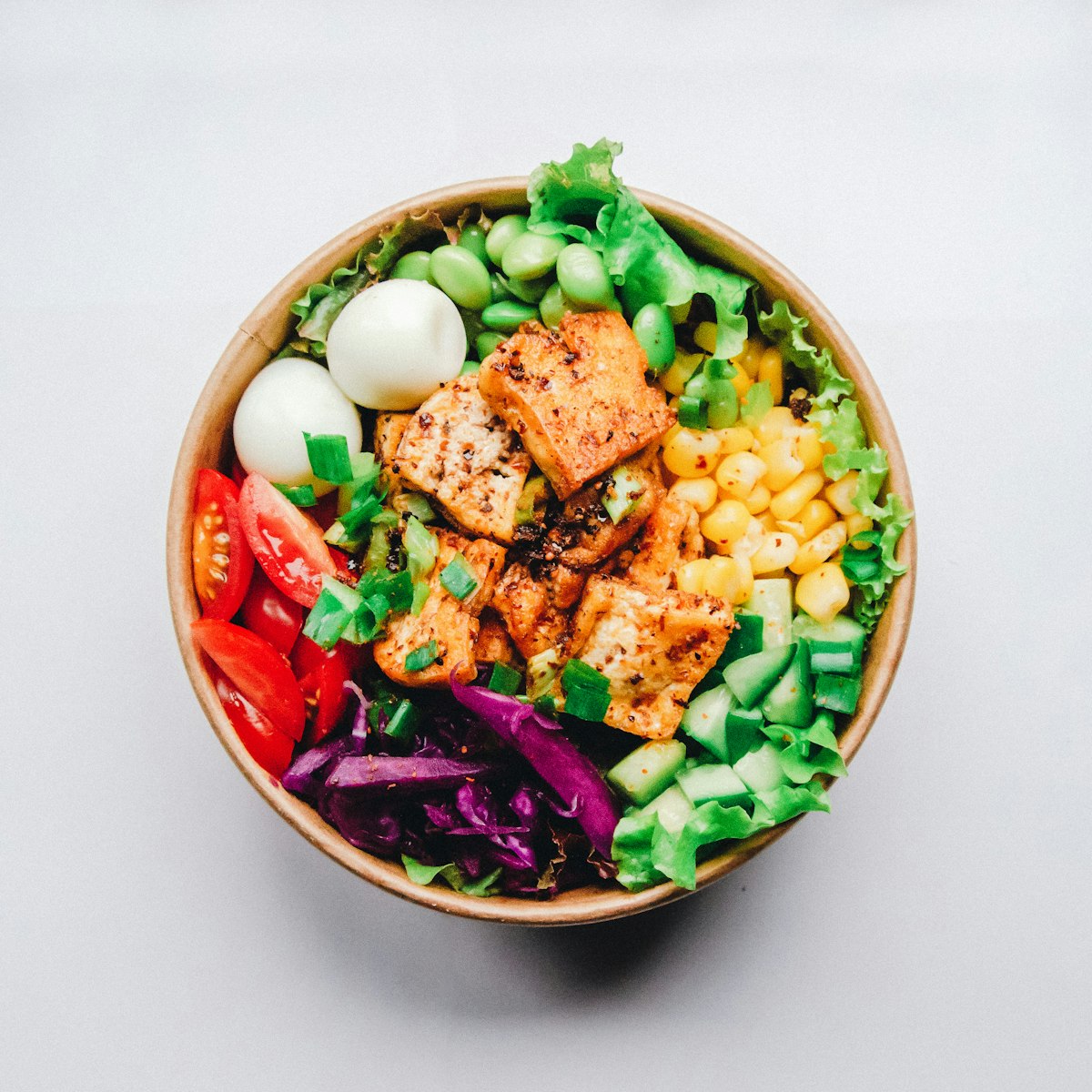
Timing Your Pre-Surf Meal
The golden rule is to eat a full meal two to three hours before paddling out. This gives your body enough time to digest and start converting food into usable energy without leaving you feeling heavy or nauseous.
If you're hitting a dawn patrol session and can't eat a full meal that far in advance, aim for a smaller snack 30-60 minutes before you paddle out. The closer to your session, the simpler the food should be — your body needs things it can process quickly.
What to Eat 2-3 Hours Before
Your pre-surf meal should be built around three pillars:
- Complex carbohydrates for sustained energy: oatmeal, whole grain toast, sweet potatoes, brown rice, or quinoa
- Moderate protein for muscle support: eggs, Greek yogurt, chicken, or tofu
- Healthy fats in small amounts for satiety: avocado, nut butter, or olive oil
A classic pre-surf breakfast might be oatmeal with banana slices and a spoonful of almond butter, or two eggs on whole-grain toast with half an avocado.
Avoid heavy, greasy, or high-fiber foods that are slow to digest. A greasy breakfast burrito might taste great in the parking lot, but it'll sit in your stomach like a brick once you start paddling.
What to Eat 30-60 Minutes Before
If you're eating closer to your session, keep it simple and carb-focused:
- A banana or two
- A handful of dates
- A small bowl of granola
- A piece of toast with honey
- An energy bar (look for ones with real ingredients, not candy bars in disguise)
The goal here is quick-digesting fuel that won't cause stomach distress. Save the protein and fat for your post-session meal.
What to Avoid Before Surfing
- Dairy (for many people) — can cause bloating and discomfort during physical activity
- High-fiber foods — beans, raw broccoli, and large salads can cause gas and cramping
- Sugary drinks and candy — cause a blood sugar spike followed by a crash, exactly when you need steady energy
- Caffeine overload — one cup of coffee is fine and can actually enhance performance, but three espressos will dehydrate you and potentially cause jitters that hurt your timing
Hydration: The Most Overlooked Performance Factor
Here's a stat that should get your attention: even 2% dehydration — a level so mild you might not feel thirsty — reduces physical performance by up to 25% and impairs cognitive function. For surfers, that means slower paddling, worse wave judgment, and delayed reaction times.

Pre-Hydrating
Start hydrating well before you get to the beach. Drink 16-20 ounces of water in the two hours leading up to your session. If it's a hot day or you're planning a long session, add an electrolyte tablet or a pinch of sea salt and a squeeze of lemon to your water.
A good rule of thumb: if your urine is pale yellow before you paddle out, you're in good shape. If it's dark, you're already behind.
Hydrating During Long Sessions
For sessions under 90 minutes, pre-hydrating is usually sufficient. But for longer sessions — and especially in warm weather or when wearing a thick wetsuit — you need a plan for mid-session hydration.
Some practical options:
- Stash a water bottle on the beach and take a hydration break every 45-60 minutes
- Use a hydration vest designed for water sports (these exist and they're worth it for marathon sessions)
- Break your session into blocks — surf for 90 minutes, come in for water and a snack, then go back out
Don't rely on thirst as your indicator. By the time you feel thirsty in the ocean, you're already significantly dehydrated. The combination of saltwater spray, wind, physical exertion, and (sometimes) sun exposure accelerates fluid loss faster than most people realize.
Working on hydration? Partner with Neptune on iPhone and Apple Watch.
Get on iOSElectrolytes: Beyond Just Water
Plain water is great, but during long or intense sessions, you also need to replace the electrolytes you're losing through sweat. The key ones are:
- Sodium — maintains fluid balance and nerve function
- Potassium — prevents muscle cramps and supports heart function
- Magnesium — critical for muscle relaxation and energy production
You don't need expensive sports drinks loaded with sugar. A simple electrolyte mix, coconut water, or even a homemade solution (water + pinch of salt + squeeze of citrus + touch of honey) works perfectly.
Mid-Session Fuel for Marathon Days
If you're surfing for more than two hours or doing multiple sessions in a day, you'll need to refuel between rounds. The key here is portability, digestibility, and speed.
Quick Mid-Session Snacks
Keep these in your car or beach bag for between-session refueling:
- Bananas — nature's perfect surf snack. Quick energy, potassium, easy to eat
- Dates — calorie-dense, packed with natural sugars and minerals
- Trail mix — a handful provides carbs, protein, and fats
- Rice cakes with nut butter — light, easy to digest, good energy
- Energy gels or chews — not the most natural option, but effective when you need quick fuel and don't have time for real food
Avoid anything heavy, greasy, or difficult to digest between sessions. You want fuel that enters your bloodstream quickly without weighing you down.
Post-Surf Recovery Nutrition
What you eat after surfing is just as important as what you eat before — but for different reasons. Post-surf nutrition is all about recovery: repairing muscle damage, replenishing glycogen stores, reducing inflammation, and rehydrating.

The Recovery Window
Your body is most receptive to recovery nutrition in the 30-60 minutes after exercise. During this window, your muscles are primed to absorb glucose and amino acids at an accelerated rate. Missing this window doesn't ruin your recovery, but taking advantage of it speeds things up noticeably.
Building the Perfect Post-Surf Meal
Your post-surf meal should include:
- Protein (20-40g) — to repair muscle tissue. Good sources: grilled chicken, fish (especially salmon for its anti-inflammatory omega-3s), eggs, Greek yogurt, or a quality protein shake
- Carbohydrates (40-60g) — to replenish glycogen stores. Rice, pasta, potatoes, or fruit all work well
- Anti-inflammatory foods — to combat the oxidative stress of intense exercise. Berries, leafy greens, turmeric, ginger, and fatty fish are all excellent
- Fluids — 16-24 ounces of water for every hour you were in the ocean
A great post-surf meal might be a salmon rice bowl with avocado and vegetables, a smoothie with protein powder, banana, spinach, and berries, or a burrito bowl with chicken, rice, black beans, and salsa.
Post-Surf Smoothie Recipe
Here's a recipe that checks every recovery box:
- 1 cup frozen mixed berries (antioxidants)
- 1 banana (potassium, carbs)
- 1 scoop protein powder or 1 cup Greek yogurt (protein)
- 1 handful spinach (iron, magnesium)
- 1 tablespoon nut butter (healthy fats)
- 1 cup coconut water (hydration, electrolytes)
- Optional: 1 teaspoon turmeric powder (anti-inflammatory)
Blend until smooth. This gives you roughly 30g protein, 50g carbs, healthy fats, and a strong dose of anti-inflammatory nutrients — exactly what your body needs.
Day-to-Day Nutrition for Surfers
Beyond the immediate pre- and post-session windows, your overall daily diet plays a huge role in how you perform in the water over time. Surfers who eat well consistently recover faster, maintain better body composition, get injured less, and have more energy session after session.
Macronutrient Guidelines
As a general framework for active surfers:
- Carbohydrates: 45-55% of total calories — your primary fuel source for paddling and wave riding
- Protein: 20-30% — essential for muscle repair and maintaining lean mass
- Fat: 25-30% — supports hormone production, joint health, and sustained energy
These are guidelines, not strict rules. Listen to your body and adjust based on how you feel. If you're surfing every day, you'll likely need more carbs. If you're in a rest period, you can shift toward more protein and fat.
Foods Every Surfer Should Eat Regularly
- Sweet potatoes — complex carbs, vitamin A, potassium
- Salmon and other fatty fish — omega-3s for joint health and inflammation
- Eggs — complete protein, B vitamins, choline for brain function
- Bananas — quick energy, potassium, portable
- Leafy greens — iron, magnesium, calcium, antioxidants
- Nuts and seeds — healthy fats, protein, minerals
- Berries — antioxidants to combat oxidative stress
- Oats — sustained energy, fiber, easy to prepare
- Avocado — healthy fats, potassium, anti-inflammatory
- Turmeric and ginger — powerful natural anti-inflammatories
Foods to Minimize
- Processed foods and refined sugars — cause inflammation and energy crashes
- Excessive alcohol — dehydrates you, disrupts sleep, slows recovery, and impairs next-day performance
- Deep-fried foods — hard to digest, promote inflammation
- Excessive caffeine — more than 2-3 cups of coffee can dehydrate and disrupt sleep
This doesn't mean you can never have a beer after a session or enjoy fish tacos from the beach truck. Balance and consistency matter more than perfection. Eat well 80% of the time and don't stress about the other 20%.
Nutrition Strategies for Specific Conditions
Hot Weather Surfing
- Increase fluid intake by 50%
- Add electrolytes to every bottle of water
- Eat water-rich fruits (watermelon, oranges, grapes) before and after
- Avoid heavy meals — opt for lighter, cooler foods like salads with lean protein
Cold Water Sessions
- Eat a slightly larger, warmer pre-surf meal — your body needs extra calories for thermoregulation
- Include more healthy fats (they burn slower and help maintain body temperature)
- Have a thermos of warm bone broth or ginger tea waiting in your car for after
- Post-session, prioritize warm, calorie-dense meals
Multi-Day Surf Trips
- Prioritize sleep and recovery nutrition equally
- Pack portable, shelf-stable snacks: nuts, dried fruit, jerky, energy bars
- Stay on top of hydration — travel and excitement make it easy to forget
- Don't drastically change your diet just because you're in a new place — your stomach needs consistency during high-output days

Common Nutrition Mistakes Surfers Make
Surfing on an empty stomach. Dawn patrol is not an excuse to skip eating. Even a banana and some water is dramatically better than nothing. Your glycogen stores from last night's dinner are partially depleted by morning — you need to top them off.
Relying on caffeine instead of food. Coffee is a tool, not a fuel source. A double espresso on an empty stomach might make you feel alert, but it won't power your muscles through a three-hour session.
Waiting too long to eat after surfing. The post-surf high is real, and it's tempting to ride that endorphin wave instead of eating. But delaying your recovery meal by hours means slower muscle repair and more soreness the next day.
Drinking too little water. Surfers are surrounded by water, which creates a psychological illusion of hydration. You're sweating inside that wetsuit more than you think. Drink before you're thirsty.
Over-complicating things. You don't need exotic superfoods, expensive supplements, or a strict meal plan. Real, whole foods — prepared simply and eaten consistently — will outperform any supplement stack.
Putting It All Together
Nutrition for surfing doesn't need to be complicated. Here's a simple daily framework for a surfer who's paddling out in the morning:
Night before: A balanced dinner with protein, complex carbs, and vegetables. Hydrate well. Get to bed early.
Morning (2 hours before): Oatmeal with banana and nut butter, or eggs on toast with avocado. 16 oz water.
Pre-paddle (30 min before): A banana or a few dates. 8 oz water with electrolytes.
Mid-session (if over 90 min): Beach break for water and a quick snack.
Post-surf (within 60 min): Recovery smoothie or a protein-rich meal with carbs. 16-24 oz water.
Rest of the day: Balanced meals and snacks. Continue hydrating. Eat anti-inflammatory foods.
The surfers who take nutrition seriously don't just feel better in the water — they progress faster, recover quicker, and surf longer into their lives. It's one of the simplest upgrades you can make to your surfing, and it starts with your very next meal.
Read it. Then take it to the water.