How to Surf Safely Around Marine Life

Neptune
April 11, 2026

Sharing the Ocean With Its Residents
You paddle out into someone else's habitat. Most of it is harmless; a few species deserve real caution.
Serious encounters are statistically rare. Rare is not impossible.
This guide covers the marine life you're most likely to encounter while surfing, what to do if you have a close call, and the practical habits that dramatically reduce your risk. Whether you're surfing warm tropical reefs or cold water beach breaks, this knowledge belongs in every surfer's toolkit.
Sharks: Separating Fear From Facts
Let's address the big one first. Sharks occupy an outsized space in every surfer's imagination, fueled by decades of movies, media coverage, and campfire stories. But the reality is far more nuanced — and far less terrifying — than most people assume.
Understanding the Risk
There are over 500 species of sharks in the world's oceans. Of those, only about a dozen have ever been involved in unprovoked encounters with humans, and only three species account for the vast majority of incidents: great whites, tiger sharks, and bull sharks.
Your odds of being bitten by a shark while surfing are roughly 1 in 3.7 million per session. You're significantly more likely to be injured driving to the beach than by anything in the water. That said, certain behaviors and conditions increase your risk, and understanding them helps you make informed decisions.
When and Where Sharks Are More Active
Sharks are more likely to be present in certain conditions:
- Dawn and dusk — These are peak feeding times for many shark species. The low light makes it harder for sharks to distinguish between surfers and their natural prey. If you're surfing dawn patrol or evening glass-off sessions, be aware that you're in the water during higher-activity windows.
- Murky water — After heavy rain, river mouths, and areas with poor visibility increase the chance of a mistaken-identity encounter. Sharks rely heavily on electroreception and silhouette recognition. In murky water, everything looks like potential prey.
- Near river mouths and channels — These areas concentrate baitfish, which attract larger predators up the food chain. River mouths after rain are particularly active zones.
- Seal and sea lion colonies — Great whites in particular patrol areas near pinniped colonies. If you're surfing near a seal haul-out, you're surfing in a hunting ground.
- Steep drop-offs close to shore — Deep water channels near the beach give sharks easy access to the surf zone.
Practical Shark Safety Habits
You can't eliminate shark risk entirely — you're in their home. But you can reduce it significantly:
- Surf in groups. Solo surfers are statistically more likely to have encounters. There's genuine safety in numbers.
- Avoid surfing near fishing activity. Bait, chum, and hooked fish attract sharks. If you see fishing boats or people fishing from the beach near your break, consider moving.
- Don't surf near dead marine animals. A whale carcass or large dead fish is a dinner bell for sharks. Leave the area.
- Remove shiny jewelry. The flash of metal underwater can resemble the scales of a baitfish.
- Stay off the surface when possible. When you're sitting on your board with your legs dangling, your silhouette from below looks remarkably like a seal. Keep your limbs on or close to your board when you're not actively paddling.
- Trust local knowledge. If locals say "we don't surf here after the seals show up in October," listen. They know their break better than any guidebook.
- Use shark deterrent technology if it gives you peace of mind. Electronic deterrents like Sharkbanz and Ocean Guardian have shown some effectiveness in independent studies, particularly against bull sharks. They're not a guarantee, but they're a reasonable additional layer.
If You See a Shark
Most shark sightings while surfing are brief and non-threatening — a fin in the distance, a shadow passing underneath, or a bump against your board. Here's what to do:
- Stay calm. Easier said than done, but thrashing and panicking mimics the movement of injured prey.
- Maintain eye contact if possible. Sharks are ambush predators. A shark that knows it's been spotted is far less likely to approach.
- Move steadily toward shore. Don't sprint-paddle. Smooth, deliberate strokes. Keep facing the shark if it's nearby.
- Alert other surfers. A calm but clear "shark in the water" is enough. Don't scream — it causes panic and poor decisions.
- Exit the water and wait. Most sharks are passing through. Give it 30-60 minutes before going back out.
Stingrays: The Most Common Threat You'll Actually Face
If sharks get the most fear, stingrays deserve the most respect in terms of actual likelihood of ruining your surf session. Stingray injuries are far more common than shark encounters — in Southern California alone, lifeguards treat thousands of stingray stings every year, with some beaches reporting dozens per day during peak season.
Why Stingrays Sting
Stingrays aren't aggressive. They sting purely as a defensive reflex when stepped on. They bury themselves in the sand in shallow water to rest and feed, making them nearly invisible. When a foot comes down on top of them, the barbed spine on their tail whips upward in a reflexive motion, puncturing the foot or ankle and injecting venom.
The pain is immediate and intense — most people describe it as one of the worst things they've ever felt. The venom causes severe, throbbing pain that can last hours, along with swelling and sometimes nausea.
The Stingray Shuffle: Your Best Defense
The single most effective prevention method is the stingray shuffle. Instead of walking normally through shallow water, shuffle your feet along the bottom without lifting them. This bumps into buried rays rather than stepping on them, giving them a chance to swim away before you're on top of them.
Make the stingray shuffle an automatic habit every single time you enter or exit the water at sandy-bottom breaks. It should be as instinctive as waxing your board.
Other prevention tips:
- Enter the water at spots with rocky or reef bottoms — stingrays prefer sand.
- Be extra cautious in warm, shallow water — stingrays are most active in water between 60-80°F and tend to concentrate in flat, calm, shallow areas.
- Watch for them in the shorebreak — the flat water just inside where waves break is prime stingray territory.
- Wear neoprene booties — they won't stop a direct hit from a large ray, but they provide some protection against glancing strikes.
Working on ocean safety? Partner with Neptune on iPhone and Apple Watch.
Get on iOSTreating a Stingray Sting
If you get stung, here's the protocol:
- Get out of the water immediately. The pain will intensify rapidly and you don't want to be in the surf zone when it peaks.
- Hot water immersion is the primary treatment. Submerge the affected area in the hottest water you can tolerate (110-113°F / 43-45°C) for 30-90 minutes. The venom is protein-based and breaks down with heat. This is the single most effective pain relief method.
- Remove any visible barb fragments if you can do so without pushing them deeper. Many stings leave fragments in the wound.
- Clean the wound thoroughly. Stingray punctures are prone to infection.
- Seek medical attention if the pain doesn't improve with hot water, if there's significant swelling, if the wound shows signs of infection, or if the sting is anywhere other than the foot or ankle.
Many surf-heavy beaches have lifeguard stations with hot water specifically for stingray treatment. Ask before you need it — knowing where to go when you're in severe pain saves precious minutes.

Jellyfish: The Invisible Hazard
Jellyfish are one of the most unpredictable marine hazards for surfers. They drift with currents, they're often nearly invisible in the water, and they can sting even after they're dead and washed up on the beach. Some species are mildly irritating; others can cause serious medical emergencies.
Common Jellyfish You Might Encounter
- Moon jellyfish — Nearly transparent with a mild sting. Common worldwide. More annoying than dangerous for most people.
- Portuguese man-of-war — Technically not a jellyfish but a siphonophore. Recognizable by its blue-purple float on the surface. Extremely painful sting with tentacles that can trail 30+ feet. Common in the Atlantic, Gulf of Mexico, and Hawaii.
- Box jellyfish — Found primarily in tropical waters of the Indo-Pacific. Some species carry venom that can be life-threatening. Take box jellyfish warnings seriously.
- Lion's mane jellyfish — Large, reddish-brown, found in cooler waters. Painful sting but rarely dangerous.
Prevention
- Check local conditions before paddling out. Lifeguards often post jellyfish warnings. Many surf forecast apps and local beach reports include jellyfish alerts.
- Wear a rashguard or wetsuit. Even a thin layer of neoprene or lycra dramatically reduces your exposure. Tentacles need to contact bare skin to deliver venom.
- Avoid surfing downwind of jellyfish on the surface. Jellyfish drift with wind and current. If you see them floating on the surface on the windward side, they're heading toward the lineup.
- Be cautious after storms. Strong onshore winds and currents can push large numbers of jellyfish toward shore.
Treating Jellyfish Stings
Treatment depends on the species, but these general principles apply:
- Rinse with vinegar for box jellyfish and man-of-war stings. Vinegar deactivates unfired nematocysts (stinging cells) still on the skin.
- Rinse with saltwater — never freshwater. Freshwater causes unfired nematocysts to discharge, making the sting worse.
- Remove tentacles with tweezers or a credit card edge. Don't use bare hands — you'll get stung too.
- Apply hot water (same temperature range as stingray treatment) for pain relief.
- Forget the old myths. Urine does not help. Meat tenderizer is unreliable. Stick with vinegar and hot water.
- Seek immediate medical attention for box jellyfish stings, stings covering large areas of the body, difficulty breathing, chest pain, or severe allergic reactions.
Sea Urchins: The Reef Surfer's Nemesis
If you surf over reef or rocky bottom — particularly in tropical locations — sea urchins are a constant hazard. These spiny creatures wedge themselves into crevices and tide pools, and their needle-sharp spines can puncture neoprene booties and embed deep into flesh.
Prevention
- Wear reef booties. This is non-negotiable for reef surfing in urchin-heavy areas. Choose thick-soled booties designed for reef walking.
- Never put your feet down on a reef you can't see clearly. If you fall off your board over shallow reef, try to fall flat rather than feet-first.
- Be especially careful at low tide. Urchins that are safely submerged at high tide become foot-level hazards as the water drops.
- Know the local species. Most sea urchins deliver a painful but non-venomous puncture. However, some tropical species (like the flower urchin) carry potent venom. Ask locals what you're dealing with.
Treating Sea Urchin Punctures
- Remove visible spines with tweezers. Work carefully — the spines are brittle and break easily, leaving fragments embedded in the skin.
- Soak in hot water to reduce pain and help soften shallow spine fragments.
- For deep or broken spines, see a doctor. Embedded spine fragments can cause infection and need professional removal.
- Watch for infection over the following days. Sea urchin punctures are especially prone to infection because of the organic material left in the wound.

Other Marine Life to Be Aware Of
Seals and Sea Lions
Pinnipeds are generally curious and non-aggressive toward surfers, but they deserve space and respect. A 600-pound bull sea lion is not an animal you want to crowd. Give them distance, don't try to interact with them, and be aware that their presence may indicate shark activity in the area.
Dolphins
Dolphins near the lineup are almost always a welcome sight — and many surfers consider them a sign of good luck. They're not a safety threat, but don't try to touch them or cut off their path. Enjoy the show and give them room.
Coral
In tropical surf destinations, living coral is both an environmental treasure and a physical hazard. Coral cuts heal notoriously slowly, are highly prone to infection, and can leave permanent scars. Treat every coral cut immediately with thorough cleaning and antiseptic. Wear a rashguard and reef booties, and never stand on living coral — both for your safety and for the health of the reef.
Weever Fish
Common in European waters, weever fish bury themselves in sandy shallows much like stingrays. Their dorsal spines deliver extremely painful venom. The stingray shuffle works here too, and treatment is the same: hot water immersion for pain relief.
Building an Ocean Safety Kit
Every surfer should keep a basic marine life first aid kit in their car. It doesn't need to be elaborate:
- Small bottle of white vinegar — for jellyfish stings
- Tweezers — for spine and tentacle removal
- Thermos or way to heat water — for hot water immersion (a portable kettle that plugs into your car's outlet is ideal)
- Antiseptic wipes and antibiotic ointment — for cleaning puncture wounds
- Oral antihistamine (like Benadryl) — for mild allergic reactions
- Your phone — for calling 911 if something serious happens
This kit costs under $20 and fits in your glove box. There's no reason not to have one.
Respect the Environment That Gives Us Waves
The best way to stay safe around marine life is to understand it. And the more you understand marine ecosystems, the more you'll appreciate just how remarkable it is to share the ocean with these creatures.
Healthy marine ecosystems mean healthy surf breaks. Kelp forests buffer swell energy and create habitat. Coral reefs shape the waves we travel thousands of miles to ride. Even the much-feared shark plays a critical role in maintaining the ocean food chain that keeps our coastlines thriving.
As surfers, we have a unique relationship with the ocean — we spend more time in it than almost any other group of recreational users. That gives us both a responsibility and an opportunity to be stewards of the marine environment.
A few ways to give back:
- Participate in beach cleanups. Organizations like the Surfrider Foundation organize regular events at beaches worldwide.
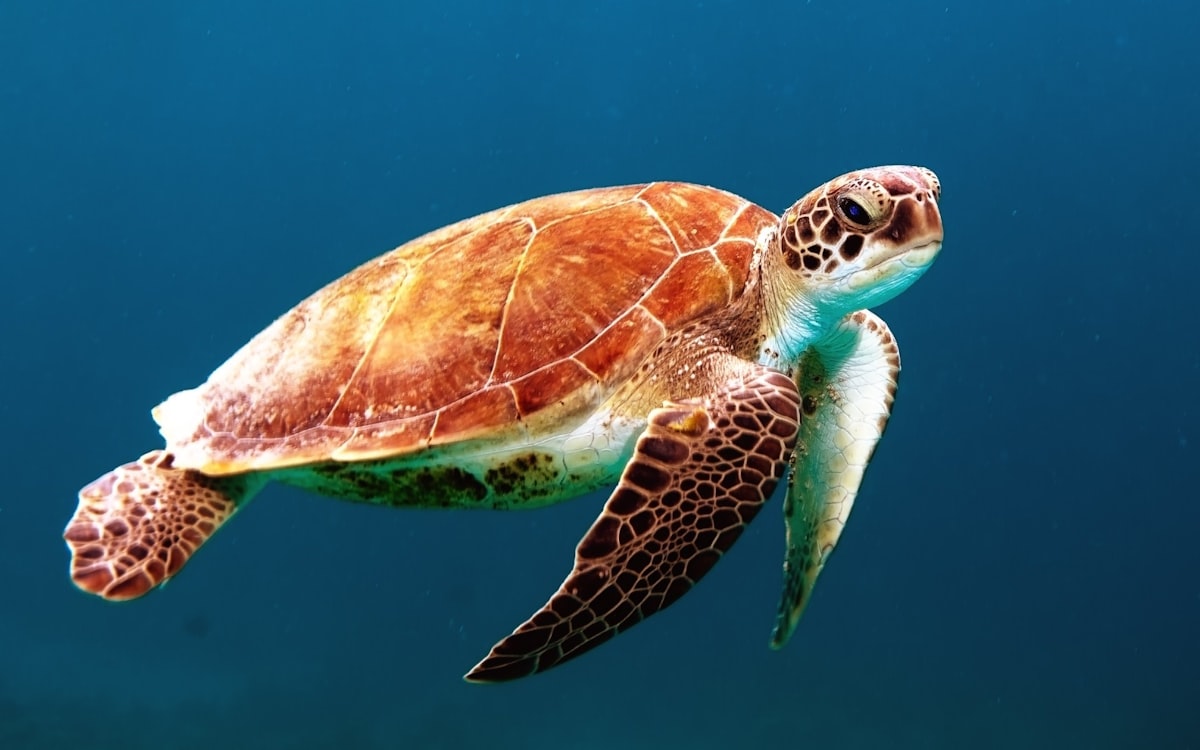
- Reduce single-use plastic. The same plastic bag that blows off the beach can end up mistaken for a jellyfish by a sea turtle.
- Support marine protected areas. MPAs are one of the most effective tools for preserving the coastal ecosystems that make surfing possible.
- Report injured or stranded marine animals. Know the number for your local marine mammal rescue organization before you need it.
The ocean doesn't belong to us. We're visitors — incredibly lucky visitors — in one of the most dynamic, beautiful, and wild environments on Earth. Understanding and respecting the life that calls it home is what separates surfers who merely ride waves from surfers who truly know the sea.
Paddle out with awareness, surf with respect, and take care of the ocean that takes care of you.
Read it. Then take it to the water.