Surfer's Ear: Prevention and Treatment

Neptune
April 21, 2026
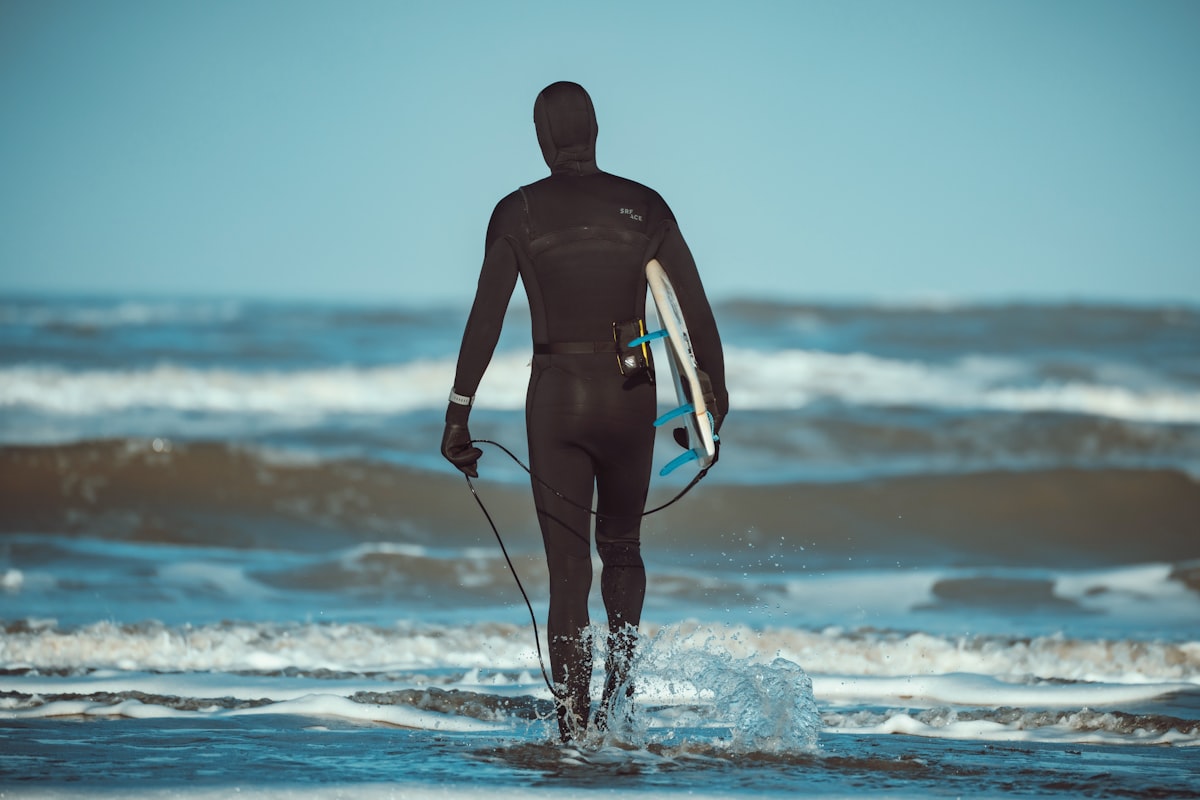
The Quietest Injury in Surfing
Most surf injuries announce themselves. Surfer's ear does not.
By the time hearing fades, the bone has often been growing for a decade.
It's the most common chronic condition in surfing. If you live somewhere cold and you've been at it for ten or more years, the odds are high that an ear, nose, and throat (ENT) doctor would already see narrowing in your ear canals. The good news is that the entire condition is preventable, and even when it's progressed, the treatment is well understood and highly effective. The bad news is that almost no one takes prevention seriously until it's too late to reverse the damage they already have.
This guide will walk you through what surfer's ear actually is, how to spot it early, and — most importantly — how to keep it from happening in the first place.
What Is Surfer's Ear?
Surfer's ear is the common name for external auditory exostosis — abnormal bone growths that develop inside the ear canal in response to repeated exposure to cold water and wind. The medical term sounds intimidating, but the mechanism is simple: when cold water and cold air repeatedly hit the bony part of your ear canal, your body responds by laying down extra bone as protection. Over years, those small bumps grow into large lumps that can narrow the canal to a sliver.
Once the canal narrows, water gets trapped behind the obstruction. Trapped water leads to infections. Wax doesn't drain. Hearing degrades. In advanced cases, the canal can close almost entirely.
Surfer's Ear vs. Swimmer's Ear: They're Not the Same Thing
These two conditions get confused constantly, but they're completely different.
- Swimmer's ear (otitis externa) is a bacterial or fungal infection of the ear canal skin. It comes on quickly, hurts immediately, and clears with antibiotic drops. It's an event.
- Surfer's ear (exostosis) is a slow structural change to the bone of the canal itself. It doesn't hurt during development. It can't be cleared with drops or antibiotics. It's a process.
You can absolutely have both. In fact, advanced surfer's ear makes swimmer's ear far more likely, because the narrowed canal traps water and creates the perfect environment for bacteria.
Who Gets Surfer's Ear?
Anyone who spends serious time in cold water and wind is at risk. Surfers are the most well-known group, but the condition is also common in:
- Open-water swimmers
- Kayakers and paddlers
- Sailors and windsurfers
- Divers, especially in cold water
- Free-divers and spearfishers
The Cold Water Connection
The temperature threshold is roughly water below 66°F (19°C) combined with wind. The colder the water and the more wind exposure, the faster exostosis develops. A surfer in 75°F Costa Rican water for 30 years may have minimal growth. A surfer in 55°F Northern California water for ten years may already have severe narrowing.
This is why prevalence data is so geographically lopsided. Studies of surfers in Northern Europe, the UK, the Pacific Northwest, and Northern California find exostosis in 70-80% of surfers with more than ten years of experience. Studies in tropical regions find a fraction of that.
If you surf cold water, this article is for you. If you surf warm water, you're not immune — wind exposure alone can drive growth — but your timeline is much longer.
Years of Exposure Matter More Than Sessions Per Week
Exostosis is cumulative. A surfer who logs 100 cold sessions a year for 20 years has the same exposure profile as a surfer who logs 200 sessions a year for 10 years. The bone responds to total time in the water over a lifetime.
This is also why the condition tends to surface in surfers' 30s and 40s — not because the body changes with age, but because that's when the ledger of cold exposure finally adds up to symptoms.
How to Recognize the Symptoms
Early surfer's ear is invisible. You can have significant bone growth and feel nothing at all. The symptoms only appear once the canal narrows enough to interfere with normal drainage and hearing.
Early Warning Signs
- Water that takes longer to drain after a session. You used to tilt your head and feel it pour out; now it stays in there for hours.
- A "blocked" or "muffled" feeling in one or both ears that lasts a day or more
- Increased frequency of swimmer's ear infections. If you're getting outer ear infections more than once a year, ask your doctor to look at the canal shape.
- Trapped wax that you've never had problems with before
- Mild hearing loss, especially in noisy environments
Advanced Symptoms
If exostosis progresses without intervention, expect:
- Chronic infections that recur every few weeks
- Significant conductive hearing loss — sound is muffled, voices sound distant, you turn the TV up
- Persistent fullness that doesn't go away even days after surfing
- Tinnitus (ringing) in some cases
- Difficulty cleaning the ear because the narrowed canal blocks both wax removal and any cleaning attempt
The Self-Check You Can Do at Home
You can't diagnose exostosis yourself, but you can pay attention to one simple metric: how long does it take for water to fully clear from your ears after a session?
In a healthy ear canal, water drains within a few minutes of getting out of the water and stops feeling "in there" within an hour. If you regularly have water sloshing around the next morning, or if a hot shower a day after surfing causes water to suddenly drain out — that's your canal trapping water behind a partial obstruction. Time to see an ENT.
Prevention: The Only Strategy That Actually Works
The single most important thing to understand about surfer's ear is this: the bone growth that already exists cannot be reversed. No drops, no exercises, no supplements, no warm compresses. The only way to remove existing exostosis is surgery.
This means prevention isn't optional — it's the entire game. Every cold session you protect your ears for is a session that doesn't add to the bone growth ledger. Every cold session you don't is one that does.
Wear Earplugs. Always.
Surf-specific earplugs are the single most effective preventive tool that exists. They are cheap, last for years, and reduce cold water and wind exposure to your canals by 90% or more.
If you take one thing from this article, take this: buy earplugs today and wear them every cold session for the rest of your surfing life.
What to Look for in Surf Earplugs
Not all earplugs are equal. The features that matter:
- Vented design. Surf-specific earplugs let you hear (sound waves pass through a small filter) while blocking water. Solid foam earplugs work for water but leave you deaf in the lineup, which is dangerous.
- Leash or cord. A floating leash means you don't lose them when one pops out during a wipeout. You will lose unleashed plugs. Eventually all of them.
- Multiple sizes or moldable material. Ear canals vary widely. A plug that fits your friend may leak in your ear. The best brands include several sizes in a single pack or use a moldable material that conforms to your specific anatomy.
- A track record. The major brands (Surf Ears, SurfPlugs, Doc's Pro Plugs, Mack's, Putty Buddies) have all been refined over years. Buy from one of them rather than a generic Amazon listing.
How to Wear Them Correctly
Working on exostosis? Partner with Neptune on iPhone and Apple Watch.
Get on iOSEarplugs only work if they seal. Insert them before you paddle out, not after. To get a proper seal:
- Pull your ear up and back with the opposite hand to straighten the canal
- Insert the plug slowly with a slight twisting motion
- Press gently until you feel it seat against the canal walls
- Test the seal by paddling and feeling for cold water on the eardrum — if you feel cold, reseat or try a different size
If you've never worn earplugs, the first few sessions will feel weird. Hearing changes. Balance feels slightly off if you're used to water sloshing in your ears. Push through it. Within a week, you won't notice them.
Wear a Hood in Cold Water
Neoprene hoods serve double duty: they keep your head warm and they block wind from hitting your ear canals. In water below 60°F, a hood is non-negotiable for ear health, regardless of whether you also wear earplugs. The combination of plugs plus hood gives you the most complete protection possible. For more on dialing in your cold-water setup, see our complete guide to cold water surfing.
Dry Your Ears After Every Session
Even with perfect earplug use, some water gets in. Make a habit of drying your ears properly after you get out:
- Tilt your head sideways and wait for water to drain naturally
- Gently dry the outer ear with a soft towel
- Use a few drops of an alcohol-based ear drying solution (Swim-Ear or a homemade 50/50 mix of rubbing alcohol and white vinegar) in each ear
- Tilt to drain again
Do this every session, regardless of water temperature. The drying solution evaporates trapped water and helps prevent both surfer's ear infection cycles and the bacterial buildup that worsens narrowed canals.
Don't Use Cotton Swabs
Cotton swabs push wax deeper into the canal and can scratch the canal skin, both of which create more problems for surfers' ears. If you have an exostosis-narrowed canal, cotton swabs become actively dangerous because they can compact wax against bone growths and create blockages that require professional removal. Let your ear's natural cleaning mechanism do its job, and see a doctor if wax becomes a problem.

When to See an ENT
Even if you have no symptoms, getting a baseline exam is worth it if you've been surfing cold water for more than five years. An ENT can use an otoscope to look directly into your canal and tell you whether you have early, moderate, or advanced exostosis. They'll often grade it as a percentage of canal occlusion: less than 33%, 33-66%, or greater than 66%.
That percentage matters because it informs both prevention urgency and treatment timing.
When to Get Checked Without Delay
Schedule an exam soon if you experience:
- Frequent or recurring ear infections
- Persistent hearing changes
- Water that won't clear from the ear for more than a day
- A sense of fullness or pressure that doesn't go away
- Vertigo or balance problems related to ear pressure
These are signs that the canal narrowing has reached a threshold where it's affecting daily function, and waiting longer doesn't help. The condition only gets worse, never better, without intervention.
What Happens at the Appointment
A visit for surfer's ear is straightforward. The ENT will:
- Take your history — how long you've surfed, in what water temperatures, whether you've used protection
- Examine each ear with an otoscope (a lighted magnifier you've seen at every general practitioner visit)
- Sometimes perform a hearing test if symptoms suggest hearing loss
- Grade the severity and discuss your options
In early to moderate cases, the recommendation will almost always be: keep wearing plugs religiously, manage infections as they happen, and monitor over time. Surgery is rarely the first move.
Treatment Options
Conservative Management
For mild and moderate exostosis without significant symptoms, the protocol is:
- Strict earplug use for every cold session going forward
- Drying drops after every session
- Prompt treatment of any ear infections (usually with prescription antibiotic drops)
- Periodic monitoring with an ENT every one to two years
This won't reverse what's there, but it dramatically slows progression. Many surfers manage moderate exostosis for decades this way without ever needing surgery.
Surgery: Canalplasty
When the canal is severely narrowed (typically greater than 70-80% occlusion), or when infections become chronic, or when hearing is significantly affected, surgery is the answer. The procedure is called canalplasty or exostosis removal, and it's the only intervention that actually reverses the condition.
Two main approaches exist:
- Endaural approach: A small incision behind or in front of the ear; the surgeon uses a microdrill or chisel to carefully remove the bone growths. This is the traditional approach, well-established and highly effective.
- Transcanal approach: Done entirely through the ear canal with no external incision. Less invasive but only feasible for less severe cases.
The procedure typically takes one to two hours per ear under general anesthesia. Both ears can sometimes be done in one session, though many surgeons prefer to do them six months apart to preserve hearing on at least one side during recovery.
Recovery: The Hard Part
Surgery itself is straightforward; recovery is where surfers struggle. The standard timeline:
- Two weeks: No water in the ear at all. No swimming, no surfing, no submersion in the bath
- Four to six weeks: Most patients are cleared for light activity but still no surfing
- Two to three months: Cleared to surf, but with strict earplug use and careful drying
Many ENTs recommend waiting a full three months before getting back in the water, especially in cold conditions. The newly exposed canal skin is fragile and needs time to fully heal.
The other hard truth: exostosis can come back. If you don't change the behavior that caused the condition (cold water exposure without protection), the bone will grow again over time. Surgeons don't want to see you back in their office in five years. Wear your plugs.

Building the Habit Early
If you take only one practical action from this article, make it this: order surf earplugs this week, and start wearing them every cold session.
The single biggest predictor of which surfers end up needing surgery in their 40s isn't water temperature, frequency, or genetics. It's whether they wore earplugs in their 20s and 30s. Surfers who started early and stayed consistent rarely need surgical intervention. Surfers who waited until symptoms appeared often need it twice in their lifetime.
What Stops Surfers From Wearing Plugs
Talk to ten surfers who don't wear plugs and you'll hear the same reasons:
- "I can't hear in the lineup with them in"
- "They fall out when I duck dive"
- "They feel weird"
- "I don't surf cold water that often"
Every one of these is solvable. Vented surf-specific plugs preserve the conversational hearing range. Leashed plugs don't get lost. The "weird" feeling disappears within a week of consistent use. And "not that often" still adds up over decades.
The cost of solving these problems is small. The cost of not solving them is years of recovery from a surgery you could have prevented.
How Cold-Water Surfers Can Train Themselves
For surfers who already have early or moderate exostosis, the protocol is the same as prevention but with more discipline:
Build a Pre-Surf Checklist
Make it impossible to forget your plugs by attaching them to your gear. Many surfers clip them to a wetsuit zipper pull or keep them in the pocket of their wetsuit hood. Some keep a backup pair in their glovebox. Make wearing them the default state, not a decision you have to make each session.
Build a Post-Surf Routine
A 60-second post-session ear routine prevents most infection cycles:
- Tilt and drain
- Towel dry the outer ear
- Three to five drops of drying solution in each ear
- Tilt to drain again
- Cover with a beanie or hat if it's cold outside
This becomes second nature after a month, just like rinsing your wetsuit or putting wax away.
Track Your Symptoms
Keep mental note (or actual notes — see what to do between surf sessions for more on session journaling) of any change in how your ears feel after surfing. Earlier intervention is dramatically easier than later intervention. If something changes, see a doctor while it's still a minor issue.

A Lifetime in the Water
The surfers who keep surfing into their 60s and 70s have all figured out the same handful of things. They don't push beyond their conditioning. They take care of their shoulders. They warm up before they paddle out. And they take care of their ears.
Surfer's ear is not a glamorous topic. It doesn't get talked about the way airs and barrels do. But the surfers who've had to go through the surgery, the recovery, the months out of the water — they will tell you, every single time, that they wish they'd worn earplugs from day one.
You don't have to make the same mistake. The protection costs less than a wax bar and lasts for years. The habit takes a week to build. And the payoff is a longer, healthier surfing life with ears that still work as well in your 60s as they do today.
Buy the plugs. Wear them every cold session. Dry your ears after. See an ENT if anything feels off.
That's the entire program. The ocean isn't going anywhere. Take care of the body that lets you keep showing up to it.
Read it. Then take it to the water.